Strategy & Leadership for Complex Enterprise Environments

December 11, 2025

Before You Automate Anything: Why Process Optimization Must Come First


What Is Digital Process Automation

In today’s environment of rapid digital transformation, many organizations feel pressure to “automate everything.” Software vendors are racing to position their platforms as AI-powered. Enterprises are establishing policies governing the use of AI. Consulting firms promise fast results through process automation.

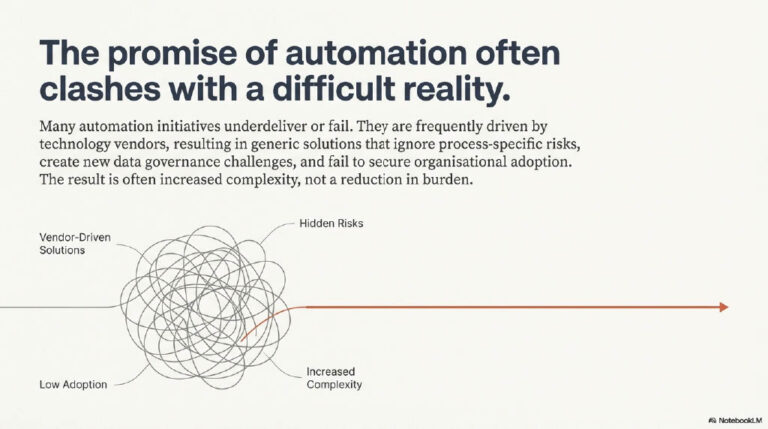
But rushing into automation—especially AI-enabled automation—without first optimizing the underlying process is one of the most common and costly strategic mistakes enterprises make. Automating a flawed process does not fix the flaws; it amplifies them.

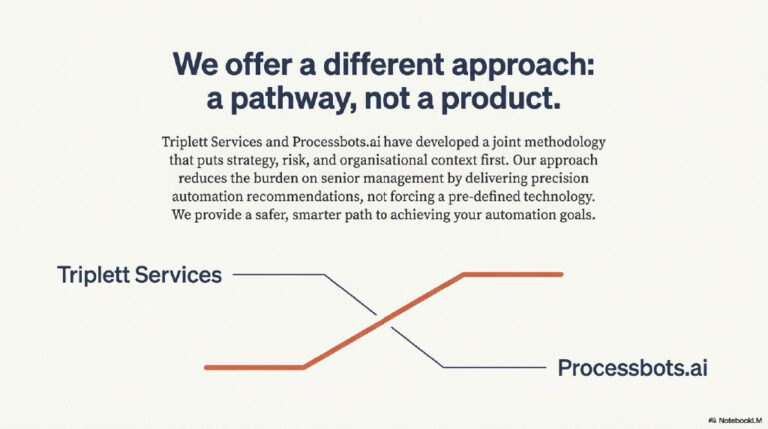
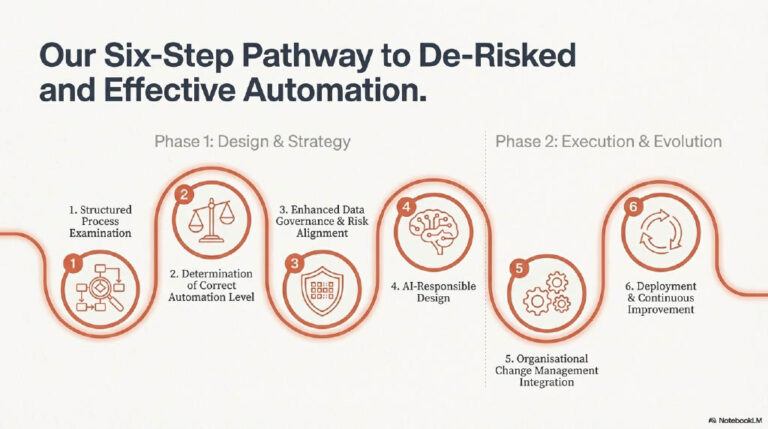
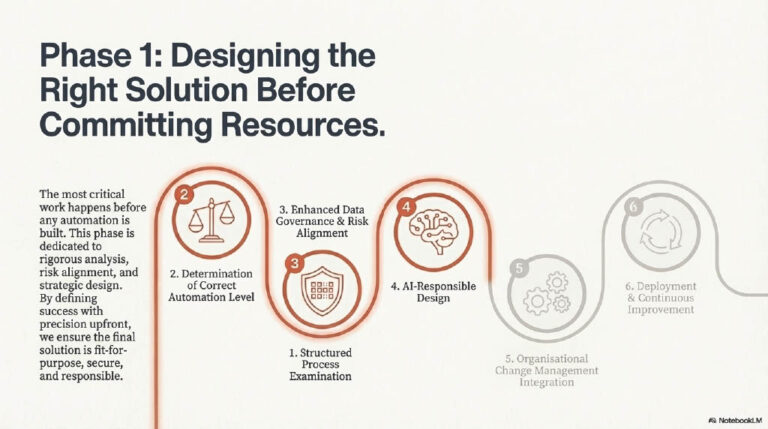
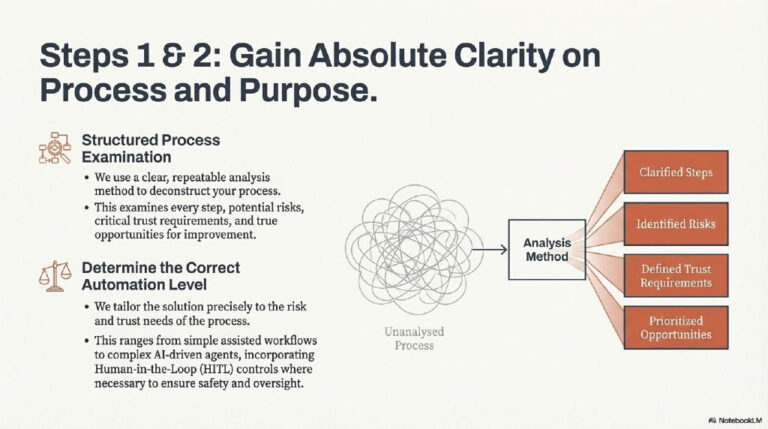
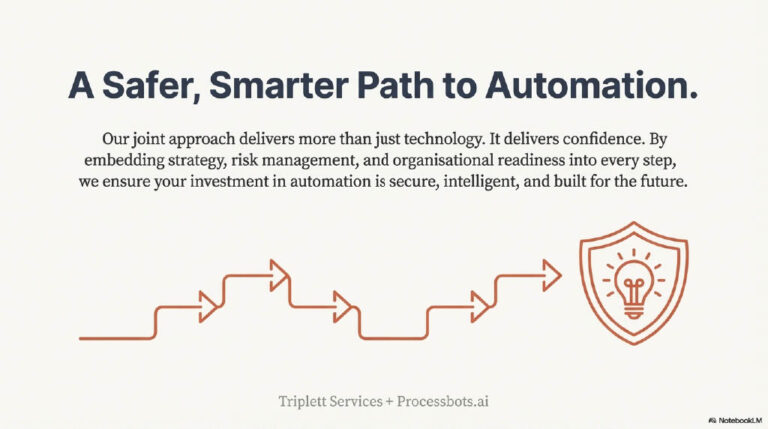
At Triplett Services, in partnership with Processbots.ai, we help enterprises avoid this pitfall by applying a structured, data-driven methodology that clarifies where automation makes sense, what level of automation is prudent, and how to build trust in the process before handing work to a machine.

What Is Digital Process Automation—And Why It’s Not the First Step?

Digital Process Automation (DPA) refers to using technology—workflows, low-code platforms, AI agents, integration frameworks—to improve or replace manual processes.

What Is Digital Process Automation—And Why It’s Not the First Step-1


While DPA is often discussed as a technology project, the real foundation is a clear understanding of the process itself, including:

    • What outcomes it must deliver

    • What risks it must manage

    • What level of accuracy is required

    • Which decisions can be automated and which require human judgment

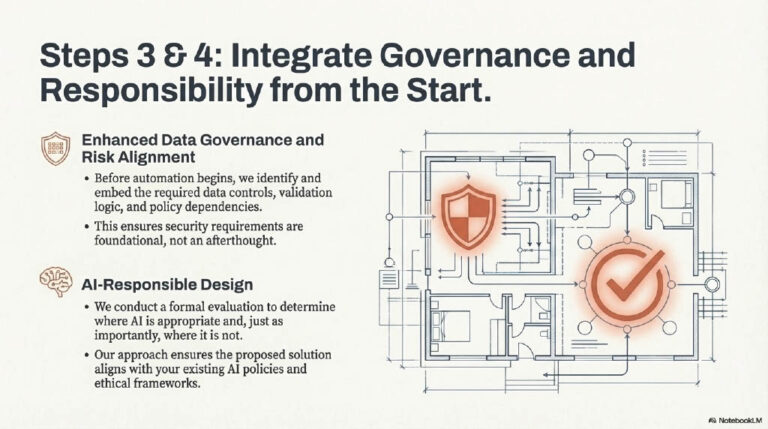
    • What data must be governed and controlled

    • What policies, compliance obligations, or regulatory requirements are embedded in the workflow

Without this clarity, even the best automation platforms cannot deliver consistent outcomes.

Benefits of Digital Process Automation
— Once Foundations Are Set

When process clarity comes first, automation can deliver transformative value:

Improved Operational Efficiency

    • Reduced cycle times
    • Elimination of repetitive, low-value tasks
    • Optimized handoffs between teams or systems

Reduced Operational Costs

    • Lower labor hours for routine tasks
    • Minimized rework and error correction
    • Streamlined operating models

Higher Accuracy and Compliance

    • Fewer manual errors
    • Consistent application of policies and rules
    • Stronger audit trails and documentation

Enhanced Customer and Employee Experience

    • Faster response times
    • More predictable outcomes
    • Clearer processes and expectations
The Benefits of Digital Process Automation—Once Foundations Are Set
Why Automation Strategy Must Be Led by Experts?
 

Choosing the right automation level requires skills in:

    • Process engineering
    • Systems analysis
    • Information security
    • Data governance
    • AI and model risk management
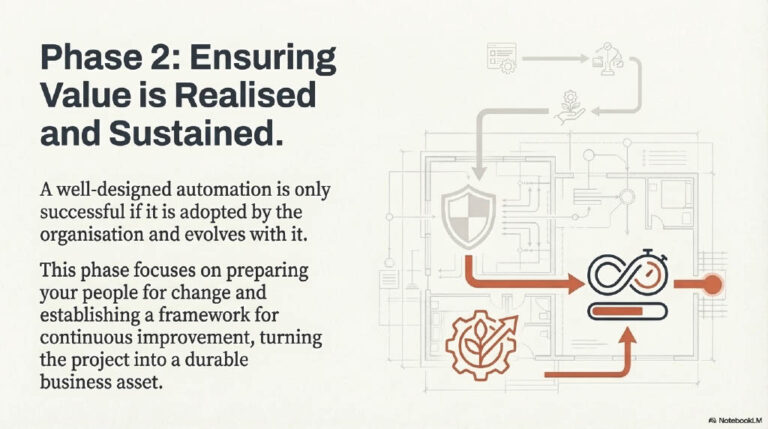
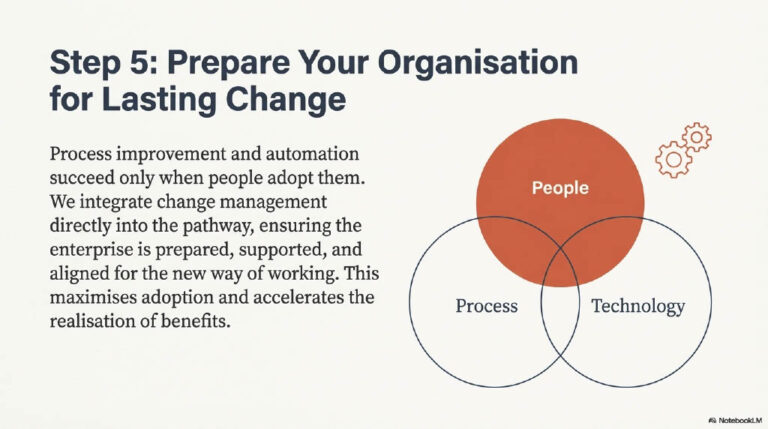
    • Organizational change management

This combination is rare. It is not enough to simply bring in a software vendor; most vendors only understand their platform—not your enterprise process environment.

Process automation should never begin with, “Which tool should we buy?”

It should begin with, “What problem are we trying to fix, and what level of automation is appropriate for the risk profile?”

Frequently Asked Questions (FAQs)

Successful automation starts with clearly defining the current process, identifying improvement opportunities, evaluating risks, and determining the right level of automation before selecting any technology. A structured process assessment ensures the initiative delivers measurable results rather than automating inefficiency.

The ideal level—manual, assisted automation, human-in-the-loop, or full AI automation—depends on the process’s risk profile, data quality, trust requirements, and decision complexity. A structured analysis determines how much automation is prudent and safe.

Poor data governance, unclear decision logic, and insufficient human oversight can lead to errors, compliance issues, and trust breakdowns. Evaluating AI responsibilities and HITL needs is essential before deploying automation.

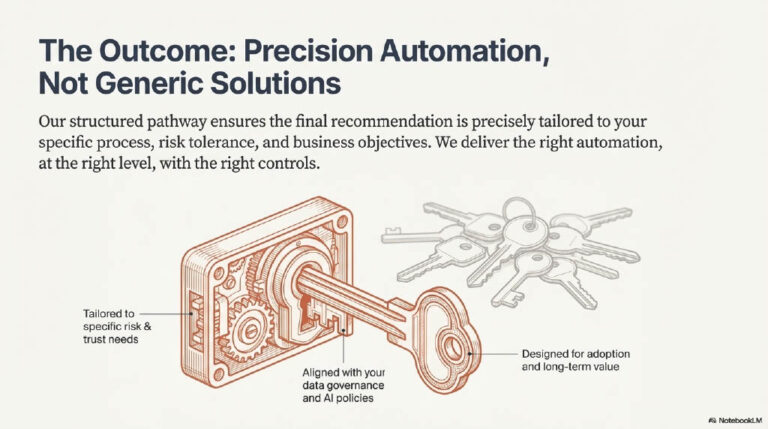
Look for a partner with expertise in process engineering, data governance, information security, and organizational change management—not just software implementation. Triplett Services and Processbots.ai provide end-to-end analysis and precision automation design.

Ready to transform your enterprise processes the right way?

Visit Processbots.ai —a strategic partner of Triplett Services—to learn how our analysis tools and frameworks ensure automation is delivered precisely, responsibly, and with maximum business value.


Leave a Reply

Your email address will not be published. Required fields are marked *